
SoHarlem envisions a vibrant Harlem where creativity becomes a pathway out of poverty,
and every resident has access to the cultural economy shaping their community. We
imagine a neighborhood where local talent thrives, creative entrepreneurs build
sustainable businesses, and economic opportunity is rooted
in dignity, artistry, and community pride.
Envision
Change
Design
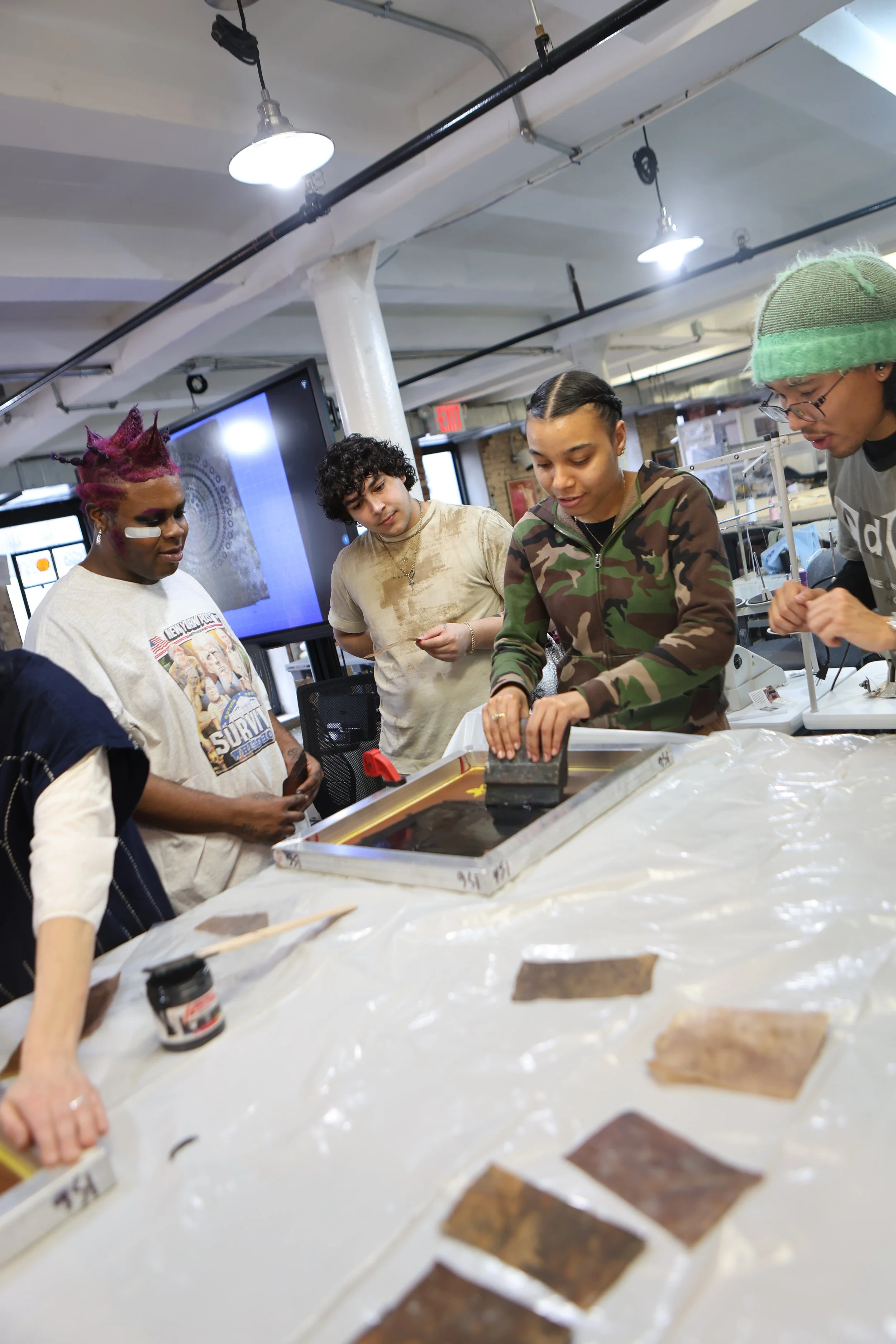
Harlem’s Cultural Industries Incubator
SoHarlem’s goal is to serve as a place-based Cultural Industries Incubator dedicated to creativity and community development. We aim to create equitable opportunities that address economic inequities and ensure a vibrant future for both artists and our surrounding community.
Harlem has a rich cultural legacy, yet many residents living in poverty remain disconnected from the rapidly growing creative and cultural industries surrounding them. Barriers such as limited access to training, entrepreneurial support, and equitable employment opportunities prevent local talent from participating in—and benefiting from—the economic transformation of their own neighborhood.
As the Manhattanville Factory District evolved from a neglected industrial zone into a innovative hub, too many community members were at risk of being left behind rather than uplifted. SoHarlem addresses this gap by ensuring that the arts and community development intersect in ways that generate real economic mobility and affirm that every resident matters.
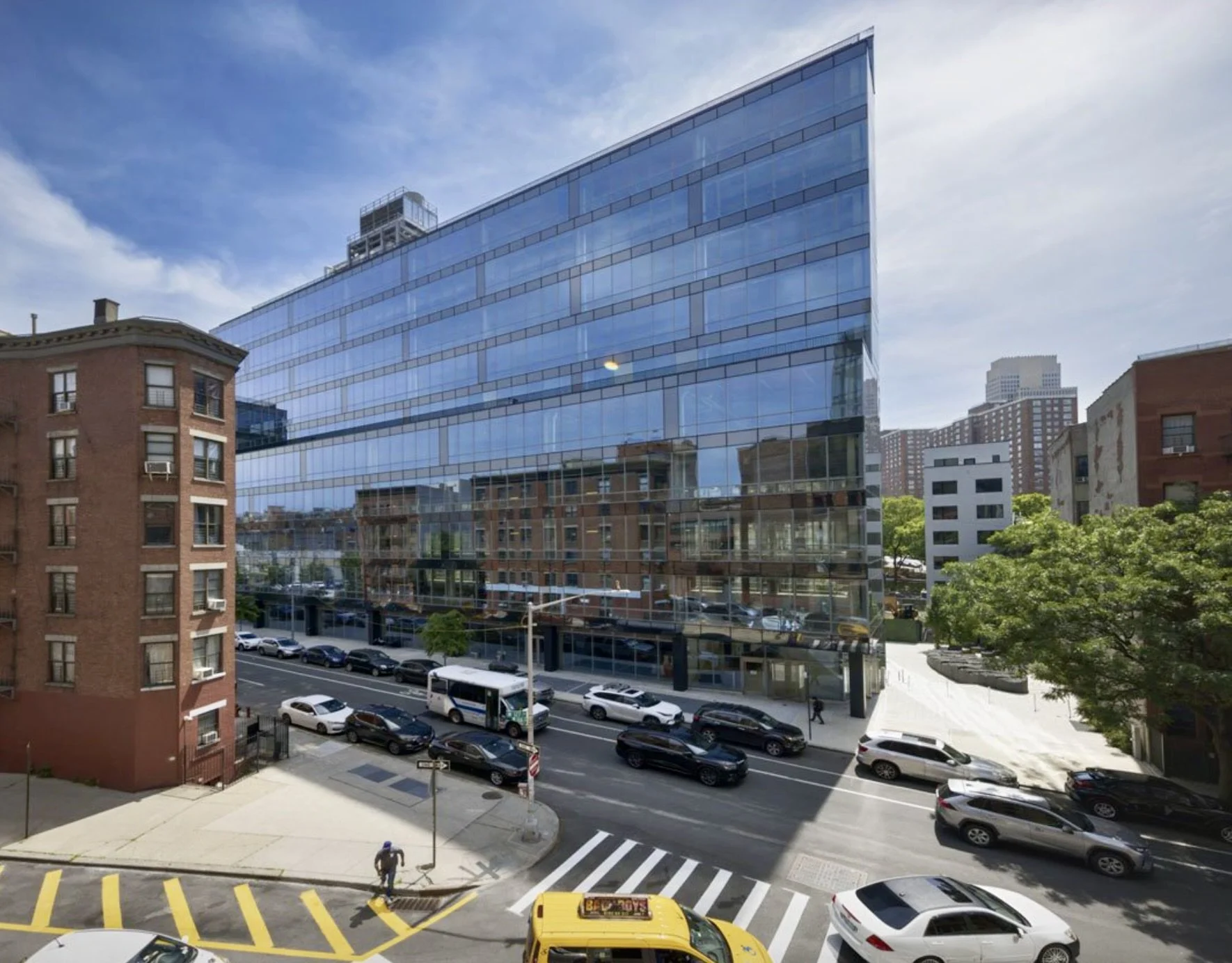
SoHarlem is located in West Harlem’s Manhattanville Factory District & Innovative Triangle, a neighborhood experiencing growth due to the presence of local developer the Janus Property Company.
200+
Individuals Trained
50%
Placed on Career Track
30
Enterprises Started
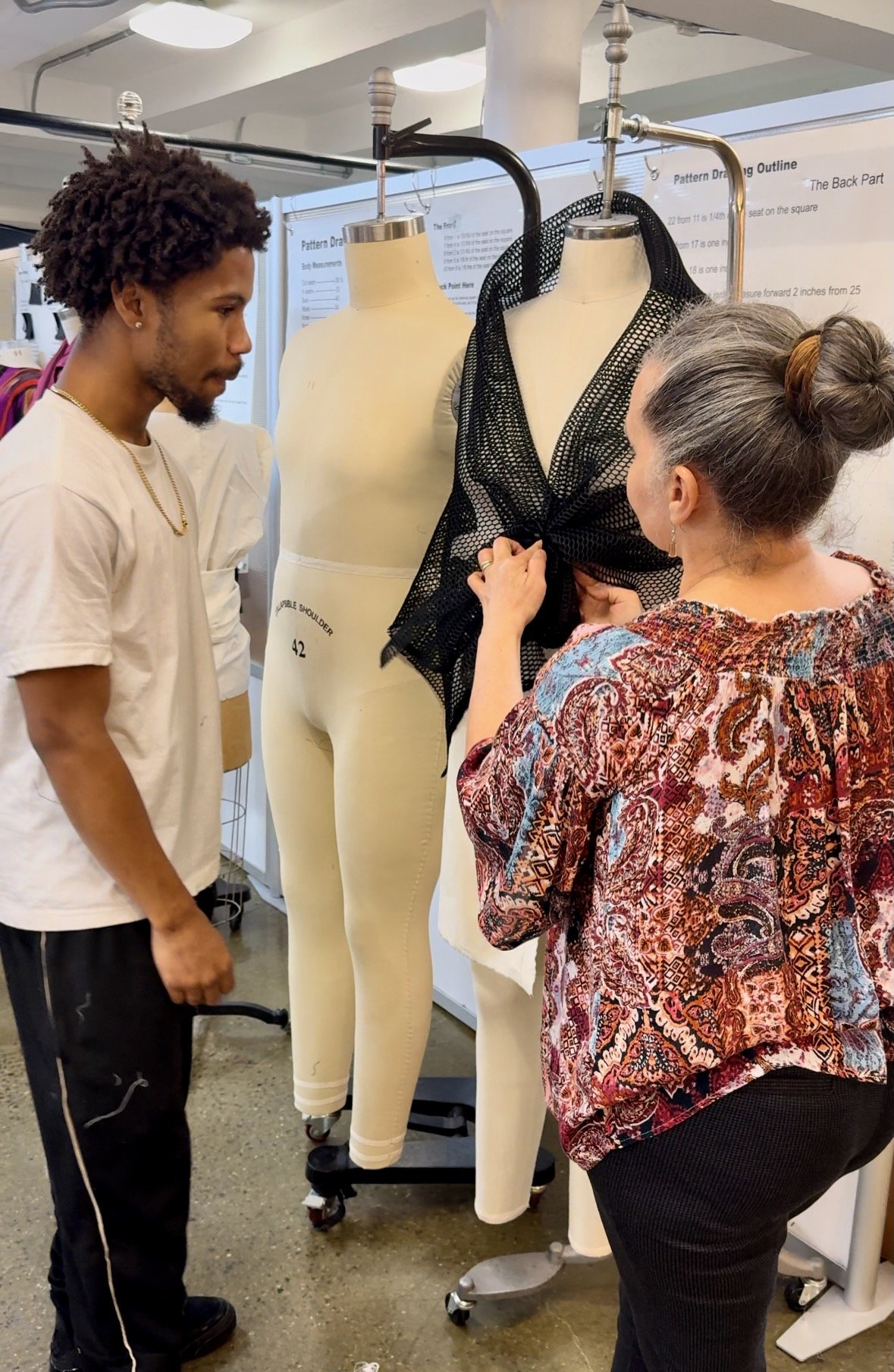
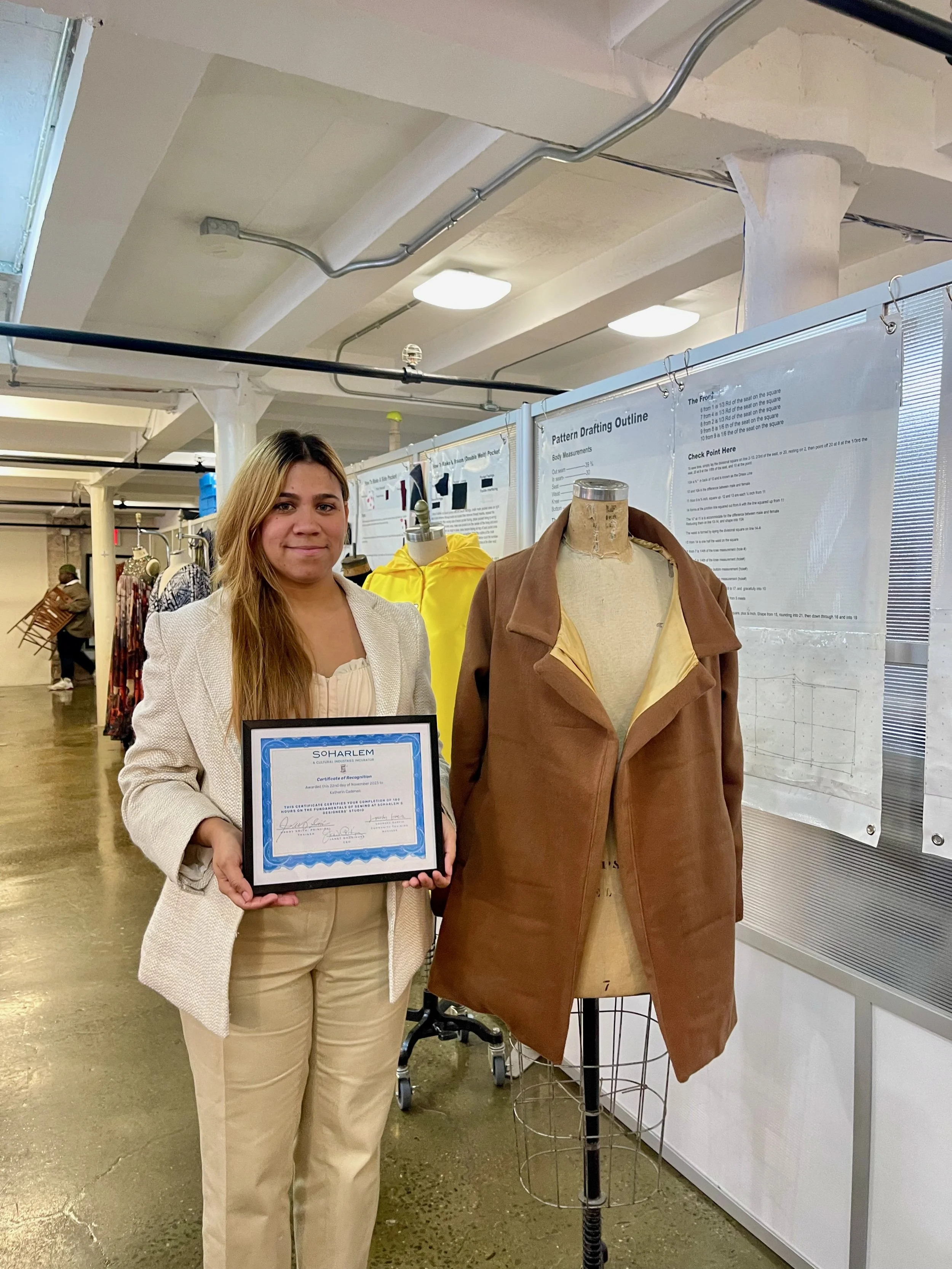
Our Programs & Services

Support SoHarlem
With the support of our community, SoHarlem continues OUR mission and ability to offer essential training, workshops, and access to our Designers’ Studio - A space where individuals learn, connect and thrive. Your Contribution is tax deductible. SoHarlem is a 501(c)3 non-profit organization.